
Get Water Hydrant Replacement
Water hydrant replacement services involve local contractors replacing or upgrading fire hydrants to ensure proper function and safety for property owners.
Property owners considering water hydrant replacement often seek reliable solutions to ensure proper fire safety and compliance with local regulations. Whether updating aging infrastructure or installing new systems for a property expansion, having access to experienced local contractors can make planning these projects smoother and more straightforward. Exploring your options carefully can help identify service providers who understand the specific needs of your area and can deliver quality work tailored to your property’s requirements.
Continuing to review local service providers allows property owners to compare the range of services available for water hydrant replacement. Finding the right contractor involves assessing their experience, reputation, and ability to handle the unique challenges of your project. By connecting with knowledgeable local experts, you can make informed decisions that support the safety and functionality of your property’s water supply system.
- Water Hydrant Replacement - when fire protection systems require upgrading or repair to ensure proper operation.
- Water Hydrant Replacement - if existing hydrants are damaged, corroded, or no longer meet safety standards.
- Water Hydrant Replacement - during municipal infrastructure improvements or new development projects.
- Water Hydrant Replacement - when hydrants are leaking, malfunctioning, or have become inaccessible.
- Water Hydrant Replacement - as part of routine maintenance to maintain reliable fire protection coverage.
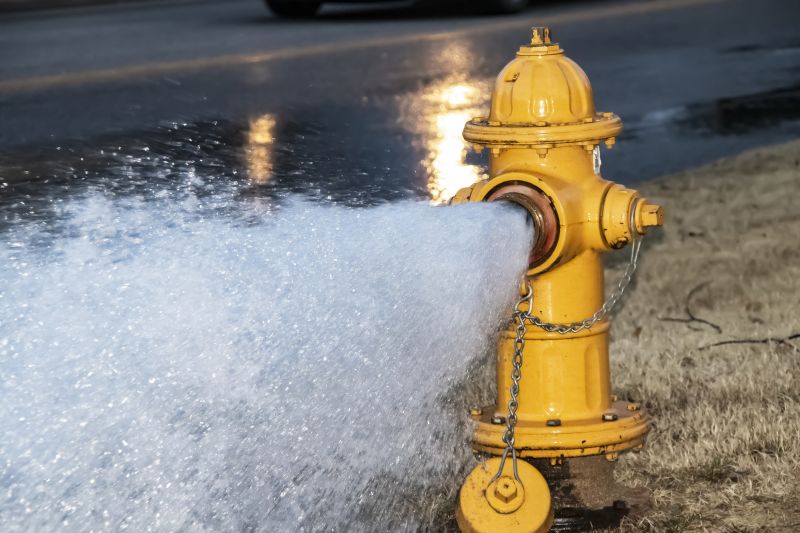
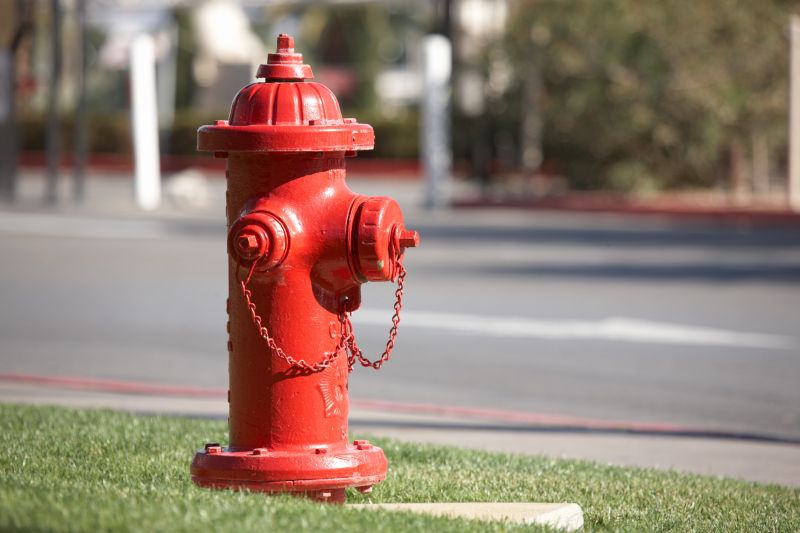
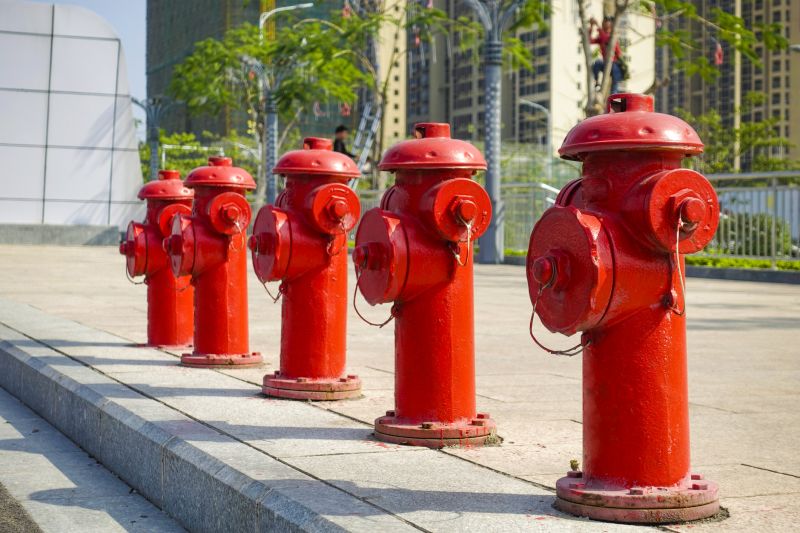
Water hydrant replacement services involve removing outdated or damaged fire hydrants and installing new, fully functional units. This process typically includes disconnecting the existing hydrant, preparing the site for installation, and securely installing the new hydrant to ensure reliable access for firefighting and other emergency needs. Skilled service providers also perform necessary testing to verify proper operation and ensure the hydrant functions correctly within the local water system. Proper installation is essential to maintain safety standards and prevent potential water flow issues.
These services help address common problems such as rusted, leaking, or broken hydrants that may no longer operate effectively during an emergency. Over time, exposure to the elements can cause hydrants to deteriorate, leading to reduced water pressure or failure when needed most. Replacing an aging hydrant can prevent costly repairs and ensure that fire departments can access water quickly and reliably. Additionally, a new hydrant can improve the overall safety and functionality of a property’s fire protection infrastructure.
Water hydrant replacement is often necessary for commercial properties, municipal facilities, and large residential complexes that require consistent access to fire suppression resources. Property owners with aging or damaged hydrants may find that replacement is the best way to maintain compliance with local safety regulations. In some cases, upgrades may be needed to meet new standards or accommodate increased water demand. Local contractors experienced in hydrant installation can assess the specific needs of each property and recommend the most suitable solutions.
Homeowners might also consider hydrant replacement if their property has an existing hydrant that is outdated or no longer functioning properly. While more common in larger properties or communities, some residential areas with private fire protection systems may require hydrant updates to ensure safety. Recognizing signs such as persistent leaks, reduced water flow, or visible corrosion can indicate a need for professional assessment. Connecting with local service providers can help property owners ensure their fire safety infrastructure remains reliable and effective.
The overview below groups typical Water Hydrant Replacement projects into broad ranges so you can see how smaller, mid-sized, and larger jobs often compare in your area.
In many markets, a large share of routine jobs stays in the lower and middle ranges, while only a smaller percentage of projects moves into the highest bands when the work is more complex or site conditions are harder than average.
Smaller Repairs - Typical costs for routine water hydrant repairs or part replacements range from $250 to $600. Many minor fixes fall within this range, making it a common expense for standard maintenance needs.
Partial Replacement - Replacing a water hydrant or its components can cost between $600 and $1,200. Larger, more involved projects tend to fall into this middle range, which is common for many service calls.
Full Replacement - Complete hydrant replacement projects usually range from $1,200 to $3,000. These jobs are more complex and less frequent, often involving additional site work or upgrades.
Larger, Complex Projects - Extensive hydrant system overhauls or upgrades can exceed $5,000. Such projects are less common and typically involve multiple hydrants or significant infrastructure work.
Actual totals will depend on details like access to the work area, the scope of the project, and the materials selected, so use these as general starting points rather than exact figures.
Underground Pipe Repair - this project involves locating and replacing damaged underground pipes, requiring similar excavation and planning skills as water hydrant replacement.
Fire Sprinkler System Installation - installing or repairing fire sprinkler systems involves working with water supply lines and understanding plumbing layouts, akin to hydrant replacement tasks.
Municipal Water Line Upgrades - upgrading or replacing city water lines demands coordination with existing infrastructure and precise planning, similar to hydrant replacement projects.
Storm Drain System Repairs - repairing storm drain systems involves excavation and pipe replacement techniques comparable to those used in hydrant maintenance.
Backflow Prevention Device Installation - installing backflow preventers requires working with water supply lines and understanding plumbing codes, related to hydrant replacement skills.
Water Main Replacement - replacing or repairing water mains involves extensive planning and excavation, sharing technical skills with hydrant replacement services.
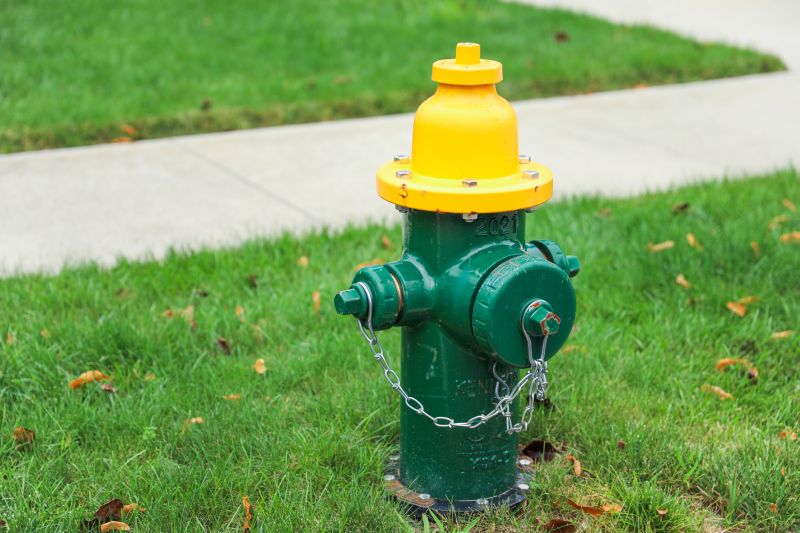
When comparing service providers for water hydrant replacement, it is important to consider their experience with similar projects. A contractor who has successfully handled multiple hydrant replacements will be more familiar with the specific requirements and challenges of the work. This familiarity can contribute to a smoother process and help ensure that the job is completed effectively. Looking into the types of projects a local contractor has completed can provide insight into their expertise and ability to manage your specific needs.
Clear written expectations are essential when evaluating potential service providers. A reputable local contractor will be able to provide detailed descriptions of the scope of work, materials to be used, and any relevant procedures. Having these expectations documented helps prevent misunderstandings and ensures that both parties are aligned on the project’s goals. It’s also beneficial to discuss any questions or concerns upfront to confirm that the contractor’s approach matches what is needed for your water hydrant replacement.
Reputable references and good communication are key factors in selecting a dependable local contractor. Asking for references from previous clients can offer insights into the contractor’s reliability, quality of work, and professionalism. Additionally, a contractor who communicates clearly and promptly can make the process more straightforward and less stressful. While the site introduces homeowners to local options, it’s important to remember that these service providers handle the work directly. Comparing these aspects-experience, clarity of expectations, references, and communication-can help in choosing a qualified professional suited to your project.
Property owners use Water Hydrant Replacement services for practical projects around their homes and businesses. This guide focuses on everyday jobs and straightforward project options.
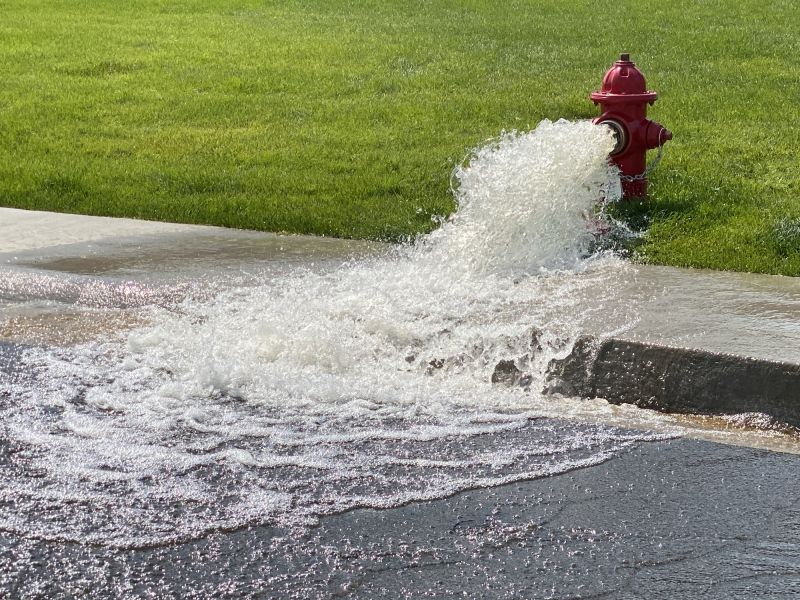
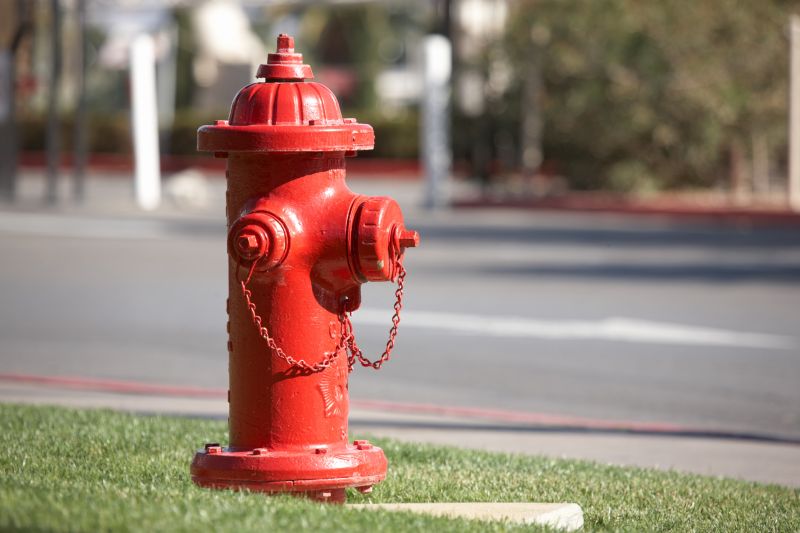
Water hydrant replacement services are often needed when existing fire hydrants become outdated, damaged, or fail to meet current safety standards. Property owners may seek these services during routine inspections, after experiencing leaks or corrosion, or following damage caused by nearby construction or accidents. Local contractors can provide the expertise to assess the condition of hydrants and perform necessary replacements to ensure reliable access to water in emergency situations.
In addition, property upgrades or neighborhood improvements can prompt the need for hydrant replacement. Whether upgrading fire safety infrastructure or replacing aging equipment, local service providers can handle these projects efficiently. Property owners looking to maintain compliance with safety requirements or improve the overall safety of their community often turn to experienced local contractors for professional hydrant replacement work.
What are signs that a water hydrant needs replacement? Indicators include persistent leaks, rust or corrosion, reduced water flow, or visible damage to the hydrant body.
Why should I consider replacing my water hydrant instead of repairing it? Replacement may be recommended if the hydrant is extensively damaged, corroded, or no longer functioning properly, ensuring reliable water access and safety.
How do local contractors handle water hydrant replacement projects? Service providers typically assess the existing hydrant, excavate the site, remove the old unit, and install a new hydrant according to local standards.
Can water hydrant replacement impact my property's water system? Proper replacement by experienced contractors ensures minimal disruption and maintains the integrity of your property's water system.
What should I consider when choosing a water hydrant replacement service? Look for local contractors with experience in hydrant installation, good reputation, and the ability to provide quality workmanship and materials.
Ensure water flow safety - Replacing outdated or damaged water hydrants helps maintain proper water pressure and prevents leaks during emergencies.
Upgrade fire protection systems - Installing new hydrants can improve firefighting capabilities and ensure compliance with local safety standards.
Improve property drainage - Replacing hydrants can assist in managing stormwater runoff and reducing flooding risks around the property.
Maintain infrastructure reliability - Regular hydrant replacements support consistent water access for irrigation, cleaning, or other daily needs.
If you are thinking about Water Hydrant Replacement for a property, this guide is meant to help you understand the work, the typical project types, and how different options might fit your plans.
When you are ready, you can use the quote form on this page to share a few details about your project. From there, local pros can review the basics and respond with options that match what you have in mind.